
Visit Our Location


When to Replace or Repair a Dental Implant
Posted On April 11, 2025
Although dental implants are renowned for their long-term functionality and durability, problems can still arise with any dental procedure. Maintaining your dental health requires knowing when an implant can be fixed and when it needs to be replaced. When an implant feels strange or exhibits symptoms of a problem, we, as La Jolla dentists, frequently see patients who are not clear on what to do next.
This blog will discuss the main signs that an implant may be malfunctioning, the distinction between replacement and repair, and what to anticipate from each surgery.
Common Signs of Implant Issues
The purpose of a dental implant is to replicate the look of a natural tooth. It may last for many years or even decades if properly cared for. However, if something feels different or you’re experiencing symptoms like the following, it may be time to consult your dentist:
- Persistent discomfort or pain near the implant site
- Loosening of the crown or implant itself
- Swelling or inflammation in the surrounding gum tissue
- Difficulty chewing or biting
- Unusual movement or shifting of the implant
When Can a Dental Implant Be Repaired?
In many cases, a dental implant doesn’t need to be completely replaced. Repairs are often possible when:
1. The Crown Is Damaged
The visible part of the implant, the crown, can chip, crack, or wear over time. This is one of the most common issues and is relatively straightforward to repair or replace without affecting the implant post itself.
2. The Abutment Has Loosened
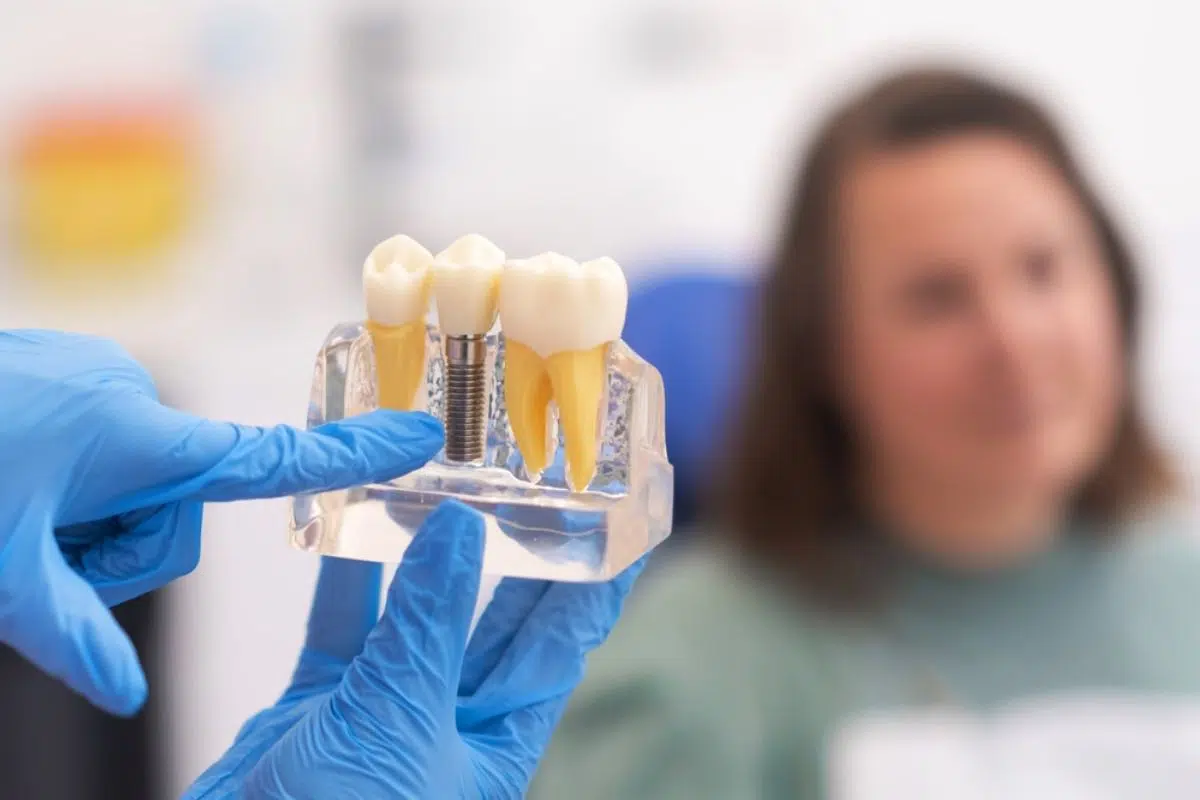
The abutment is the connector between the implant and the crown. If it becomes loose or damaged, your dentist may be able to tighten or replace it without disturbing the implant embedded in the bone.
3. Minor Gum Irritation
Professional cleaning and better dental hygiene can sometimes help control mild inflammation around the implant site. Early intervention can prevent more serious complications like peri-implantitis.
When Does an Implant Need to Be Replaced?
Although dental implants have a high success rate, there are situations where replacement is necessary:
1. Implant Failure Due to Infection
Peri-implantitis is a condition where the tissue and bone around the implant become infected, often leading to bone loss. Treatment may save the implant if caught early. In advanced cases, it may need to be removed and replaced after healing.
2. Implant Fracture
While rare, the implant post itself can fracture under excessive force or trauma. Once this happens, it cannot be repaired and must be removed. A new implant may be placed after a healing period.
3. Bone Loss Around the Implant
For an implant to stay stable, it needs healthy bone structure. If bone loss occurs due to infection or systemic health issues, the implant can become unstable. Before a new implant can be inserted, bone grafting is frequently necessary.
Conclusion
Knowing when a dental implant needs repair versus when it should be replaced is key to keeping your oral health on track. Minor issues like a damaged crown or loose abutment can often be fixed easily. However, more serious problems like bone loss or implant fracture may require a full replacement.
Contact our La Jolla dentist to get a clear picture and professional guidance on whether your dental implant needs a repair or full replacement.