
Visit Our Location


When to Book Your Next Teeth Cleaning?
Posted On April 18, 2025
Routine oral care is the foundation of a healthy smile. Professional cleanings play a key role in maintaining that foundation and protecting your teeth and mouth from unforeseen complications. While daily brushing and flossing are essential, they don’t always remove everything. That’s where regularly scheduled visits to your dentist help achieve optimal dental cleanliness. Want to explore more about teeth cleanings and how often you should consider undergoing this procedure? Keep scrolling down!
Why Thorough Teeth Cleaning Matters?
Professional cleanings are about more than just a polished smile. These appointments help prevent gum disease and stop cavities before they start. Moreover, routine visits allow your dental practitioner to monitor your oral health over time. Through plaque and tartar removal, both your dental and overall health are supported by teeth cleaning. You even walk out of the practice with fresher breath and a brighter-looking smile.
Finding Your Ideal Teeth Cleaning Schedule?
For most people, visiting their dental office every six months is ideal for getting their teeth and gums thoroughly cleaned. This twice-a-year rhythm works well for maintaining strong teeth and periodontal health. However, gum inflammation or enamel erosion is examined and treated beforehand to avoid sensitivity or more serious oral health problems. Although this is a general guideline for scheduling dental cleanings, your oral health history and lifestyle habits may require a different routine.
Who Needs to Make Regular Dental Cleaning Appointments?
In the following situations, a more individualized teeth-cleaning schedule may be required:
The Background of Gum Problems: To reduce inflammation and promote periodontal health, schedule cleanings every three to four months if you have previously had gum disease or are presently managing it.
Tobacco Use: Smoking and other tobacco products can cause dental discoloration and increased plaque accumulation. Those effects can be lessened with more frequent visits.
Diabetes and Other Chronic Diseases: You may be more susceptible to oral health issues if you have certain medical conditions. For instance, gum infections are more likely to occur in people with diabetes. At this point, your dentist could advise routine cleanings to preserve the best possible oral health.
What Happens During a Teeth Cleaning Appointment?
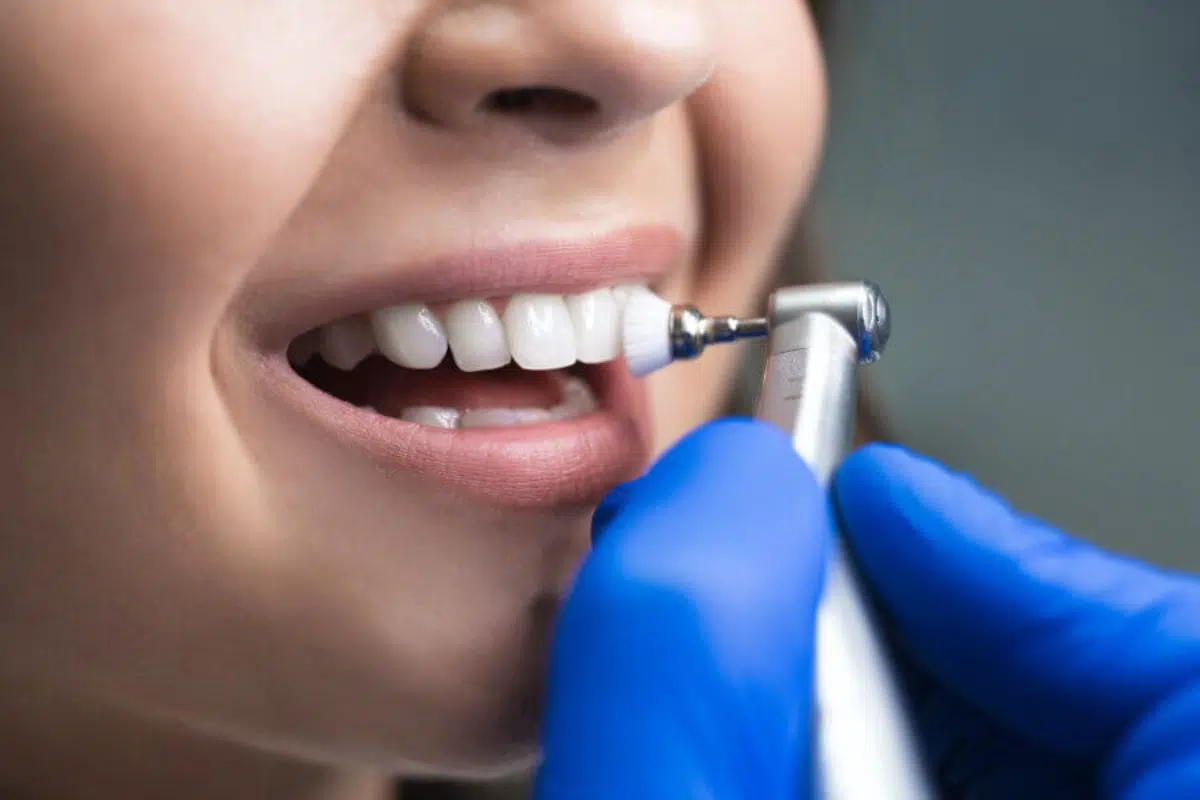
Your appointment typically begins with a quick examination to identify any obvious oral health concerns. Specialized equipment is then used to remove plaque and tartar that brushing and flossing alone can’t address. Afterward, your teeth are polished to remove surface stains, followed by a thorough flossing. If necessary, X-rays may also be taken to detect any underlying dental issues.
Keeping up with these appointments does more than maintain your smile’s appearance. Cleanings help prevent cavities, reduce the risk of gum disease, and allow your dentist to detect problems early. Besides, cleaner teeth keep your mouth feeling fresh and looking its best.
Our clinic understands that every patient is unique, which is often reflected in their smile and dental cleaning routines. That’s why we tailor our teeth cleaning procedures to meet everyone’s individual needs and goals. Whether it’s twice a year or more frequently, our dentist helps determine a schedule that keeps oral health on track.