
Visit Our Location


How a Dentist Treats Sensitive Teeth Effectively?
Posted On May 5, 2025
Tooth sensitivity can turn simple things like sipping coffee or eating ice cream into painful experiences. It’s a common issue many people deal with, often not knowing what’s behind it. A dentist plays a key role in finding the cause and giving the right treatment. Whether the pain is mild or severe, a dentist can help relieve discomfort and protect your teeth for the long term.
How a Dentist Finds the Cause of Sensitive Teeth
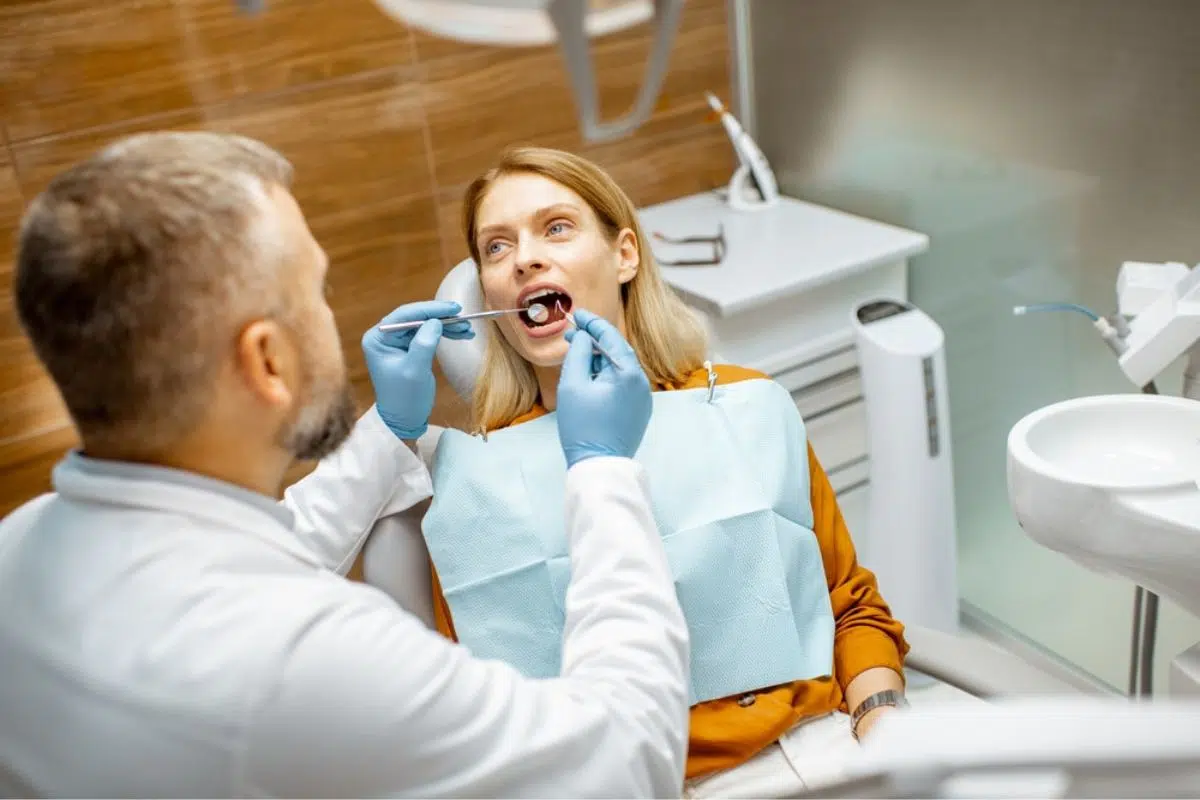
Before recommending treatment, our trusted dentist in La Jolla will first try to determine why your teeth are sensitive. During an examination, they may:
- Examine your teeth for cavities, cracks, worn enamel, or other damage
- Check your gums for recession or signs of gum disease
- Evaluate areas where tooth roots may be exposed
- Test how individual teeth respond to cold or other stimuli
- Review your brushing habits, diet, and other factors that may contribute to sensitivity
- Take dental X-rays when they are needed to look for problems that are not visible during a routine examination
Identifying the cause is important because tooth sensitivity is a symptom rather than a diagnosis. The appropriate treatment depends on what is causing the discomfort.
Treatment Options from a Dentist
Once the dentist knows what’s causing your tooth sensitivity, they’ll create a treatment plan based on your needs. Some common options include:
1. Toothpaste for Sensitive Teeth
Your dentist may suggest using a special toothpaste that helps block pain signals. With regular use, many people feel relief within a few weeks.
2. Fluoride Treatments
A quick fluoride application can help strengthen your enamel and reduce sensitivity. This can be done in the office or with products your dentist recommends for home use.
3. Covering Exposed Areas
If parts of your tooth root are showing, your dentist might use a bonding material to protect those spots and lower the pain.
4. Replacing Old Fillings
Old or broken fillings can let pain through. If that’s the case, your dentist will replace them with better, tighter-fitting ones.
5. Night Guards
If you grind your teeth at night, our dentist may make a custom night guard. This can help prevent more enamel damage and reduce sensitivity.
6. Gum Treatments
When gums have pulled away from your teeth, treatment may be needed to protect the exposed roots. Your dentist may recommend a procedure to cover those areas.
Simple Changes By A Dentist That Helps
In addition to treatments, a dentist might suggest small changes in your daily routine to avoid more problems, such as:
- Using a soft toothbrush and brushing gently
- Avoiding very hot, cold, or acidic foods and drinks
- Rinsing your mouth after meals
- Not brushing too soon after eating acidic food
- Using toothpaste made for sensitive teeth every day
These small habits can go a long way in protecting your teeth and keeping the pain away.
When Should You See a Dentist for Sensitive Teeth?
If tooth sensitivity continues for more than a short period, keeps returning, or becomes more painful, it is worth scheduling a dental examination. Sensitivity accompanied by a cracked or broken tooth, significant pain, swelling, visible decay, or pain that occurs without an obvious trigger should also be evaluated promptly. These symptoms may indicate a problem that requires treatment beyond a sensitive-teeth toothpaste.
A dentist can identify whether the sensitivity is related to enamel wear, gum recession, tooth decay, a damaged tooth, or another dental condition.
Can Sensitive Teeth Be Treated Permanently?
The outlook depends on what is causing the sensitivity. Some cases can be managed with changes to oral hygiene and desensitizing products, while others require treatment of an underlying dental or gum problem. The most effective approach is to identify the cause rather than simply trying to mask the discomfort. A personalized evaluation can help determine which treatment is appropriate for your teeth.
Conclusion
Sensitive teeth do not always require complex treatment, but persistent sensitivity should not be something you simply learn to live with. A dental examination can help identify the source of the discomfort and determine whether you need preventive care, desensitizing treatment, restorative work, or treatment for your gums.
If tooth sensitivity is affecting your ability to enjoy hot, cold, sweet, or acidic foods and drinks, La Jolla Family Smile Design can evaluate the cause and discuss appropriate treatment options. Contact the dental team to schedule an appointment and take the next step toward healthier, more comfortable teeth.