
Visit Our Location


Delaying Tooth Replacement? Why Dental Implants May Need Attention
Posted On May 22, 2026
Losing a tooth can be easy to put off when there is no immediate pain. However, delaying tooth replacement can allow changes to develop beneath the surface, including bone loss, shifting teeth, and changes in your bite. A dental implant can replace the missing tooth from the root upward, helping restore chewing function and support the surrounding structures. For patients considering tooth replacement in La Jolla, understanding when treatment may be needed can help prevent a missing tooth from becoming a larger oral health concern.
What Happens When a Missing Tooth Is Left Untreated?
A missing tooth affects more than the appearance of your smile. The roots of natural teeth stimulate the jawbone and help maintain its structure. When a tooth is lost, that stimulation disappears. Over time, the bone in that area may begin to shrink. Nearby teeth can also gradually move toward the open space. This may affect the way your upper and lower teeth meet when you bite. Food can become trapped more easily around shifted teeth, making daily cleaning more difficult.
These changes do not necessarily happen overnight. That is one reason people may continue postponing treatment without realizing that the conditions around the missing tooth are changing.
Why Timing Matters for Dental Implant Treatment
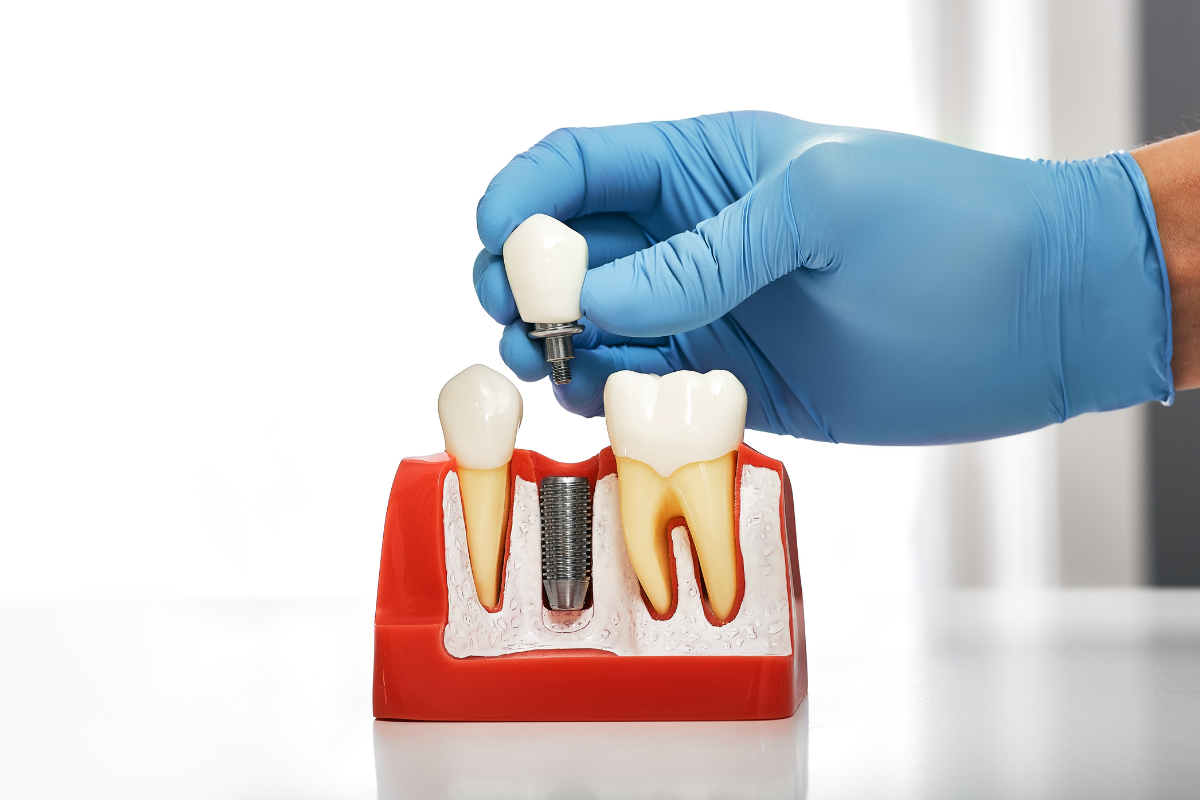
Dental implants are designed to replace the missing tooth root with a biocompatible implant post. Once the implant has integrated with the jawbone, it can support a dental crown that functions much like a natural tooth. However, adequate bone is important for implant placement. If significant bone loss has occurred after tooth loss, additional treatment may be needed before an implant can be placed. Depending on the individual situation, this may include bone grafting or other preparatory procedures.
Addressing tooth loss earlier does not guarantee that additional treatment will be unnecessary, but it can allow your dentist to evaluate the area before further changes occur. For someone researching the best dental implant treatment in La Jolla, the focus should be on finding an appropriate treatment plan based on the condition of the mouth rather than simply how long the tooth has been missing.
Signs You Should Have a Missing Tooth Evaluated
Even if the missing tooth does not cause discomfort, consider scheduling an evaluation if you notice:
- Teeth shifting around the empty space
- Changes in your bite
- Difficulty chewing on one side
- Food repeatedly collecting near the missing tooth
- Changes in facial or jaw appearance
- Difficulty keeping the surrounding teeth clean
A dental examination and appropriate imaging can help determine the condition of the jawbone and surrounding teeth and whether implant treatment may be suitable.
Is It Too Late for a Dental Implant?
In many cases, a missing tooth can still be replaced years after it was lost. The right approach depends on factors such as bone volume, gum health, the condition of neighboring teeth, and your overall oral health. If bone has deteriorated, a dentist may recommend preparatory treatment before implant placement. This is why an evaluation is more useful than assuming that too much time has passed.
What Can You Expect During an Implant Evaluation?
An implant consultation typically begins with an examination of the teeth, gums, and missing-tooth area. Dental imaging may be used to assess the jawbone and determine whether there is enough support for implant placement. Your dentist can then discuss available tooth replacement options and explain the expected treatment sequence. If an implant is recommended, the process may involve implant placement, a healing period, and placement of the final restoration.
At La Jolla Family Smile Design, patients can discuss their tooth replacement needs and learn whether implant treatment is appropriate for their individual circumstances
Conclusion
A missing tooth may not seem urgent when it is not painful, but the surrounding jawbone and teeth can gradually change after tooth loss. Delaying treatment may sometimes make tooth replacement more involved, particularly when bone loss has developed. A timely dental evaluation can identify these changes and help determine whether an implant or another replacement option is appropriate.
If you have been postponing treatment for a missing tooth, Contact with La Jolla Family Smile Design to have the area evaluated and discuss your tooth replacement options.
FAQs
1. How long can I wait to replace a missing tooth?
There is no single timeline that applies to everyone. However, delaying replacement can allow jawbone loss and movement of nearby teeth to develop. An evaluation can help determine the current condition of the area.
2. Can you still get a dental implant years after losing a tooth?
Yes, many people can receive an implant even years after tooth loss. Your dentist will evaluate your jawbone, gums, and surrounding teeth to determine whether additional treatment is needed before implant placement.
3. Does delaying a dental implant cause bone loss?
It can. When a tooth root is no longer present, the jawbone in that area may gradually lose stimulation and decrease in volume. The extent of bone loss varies from person to person.
4. What happens if the teeth next to a missing tooth start shifting?
Nearby teeth may move into the empty space, potentially changing your bite and making cleaning between the teeth more difficult. Replacing the missing tooth can help restore the space and support proper function.
5. Will I need a bone graft before getting a dental implant?
Not everyone needs a bone graft. If there is insufficient bone to securely support an implant, your dentist may recommend bone grafting or another preparatory procedure.