
Visit Our Location


From Tooth Removal to Final Restoration: Planning Your Dental Implant Journey
Posted On October 20, 2026
Replacing a damaged or missing tooth with dental implants involves several steps, from removing the tooth and allowing the area to heal to placing the implant and attaching the final restoration. Each stage helps create a stable foundation for a natural-looking replacement tooth. If you are considering dental implant treatment in La Jolla, understanding the timeline, healing process, and factors that affect treatment can help you prepare for the journey and make informed decisions about your oral health.
At La Jolla Family Smile Design, patients can discuss their tooth replacement options with a dental professional and learn what their individual treatment plan may involve.
Step 1: Evaluating Your Tooth and Planning Treatment
Before removing a tooth or placing an implant, your dentist will examine your teeth, gums, and jawbone. Dental X-rays or 3D imaging may be used to assess the available bone, the position of nearby teeth, and the location of important anatomical structures. This evaluation helps determine whether an implant is appropriate and whether additional procedures may be needed. Your dentist will also review your medical history, medications, smoking habits, and oral hygiene routine. Conditions that affect healing may influence the timing of treatment.
Some patients can receive an implant immediately after an extraction, while others benefit from waiting until the site has healed. The right approach depends on the condition of the tooth, the surrounding bone, and the presence of infection.
Step 2: Tooth Extraction and Site Preparation
When a tooth is too damaged to restore, extraction may be necessary before replacement. Your dentist will select an appropriate technique to remove the tooth while protecting the surrounding tissues as much as possible. After extraction, the socket begins to heal naturally. During this period, the body forms new tissue and gradually remodels the bone.
In some cases, your dentist may recommend bone grafting to help preserve the extraction site or rebuild areas with insufficient bone. This can be especially important when the jawbone has weakened because of prolonged tooth loss, infection, or gum disease. Not every patient needs a bone graft. Your dentist will explain whether it is beneficial for your situation and how it may affect the overall treatment timeline.
Step 3: Allowing Time for Healing
Healing is an important part of the implant process. The time between extraction and implant placement varies according to your oral health and the condition of the extraction site. An implant may sometimes be placed on the same day as the extraction. In other cases, the dentist may recommend waiting several weeks or months to allow the tissues and bone to recover. If bone grafting is necessary, additional healing time may be required.
During recovery, follow your dentist’s instructions for keeping the area clean, choosing appropriate foods, and managing discomfort. Avoid smoking, which can interfere with healing, and attend follow-up visits as recommended. Patients seeking dental implant treatment in La Jolla should ask their dentist which healing approach is appropriate for their individual needs.
Step 4: Placing the Dental Implant
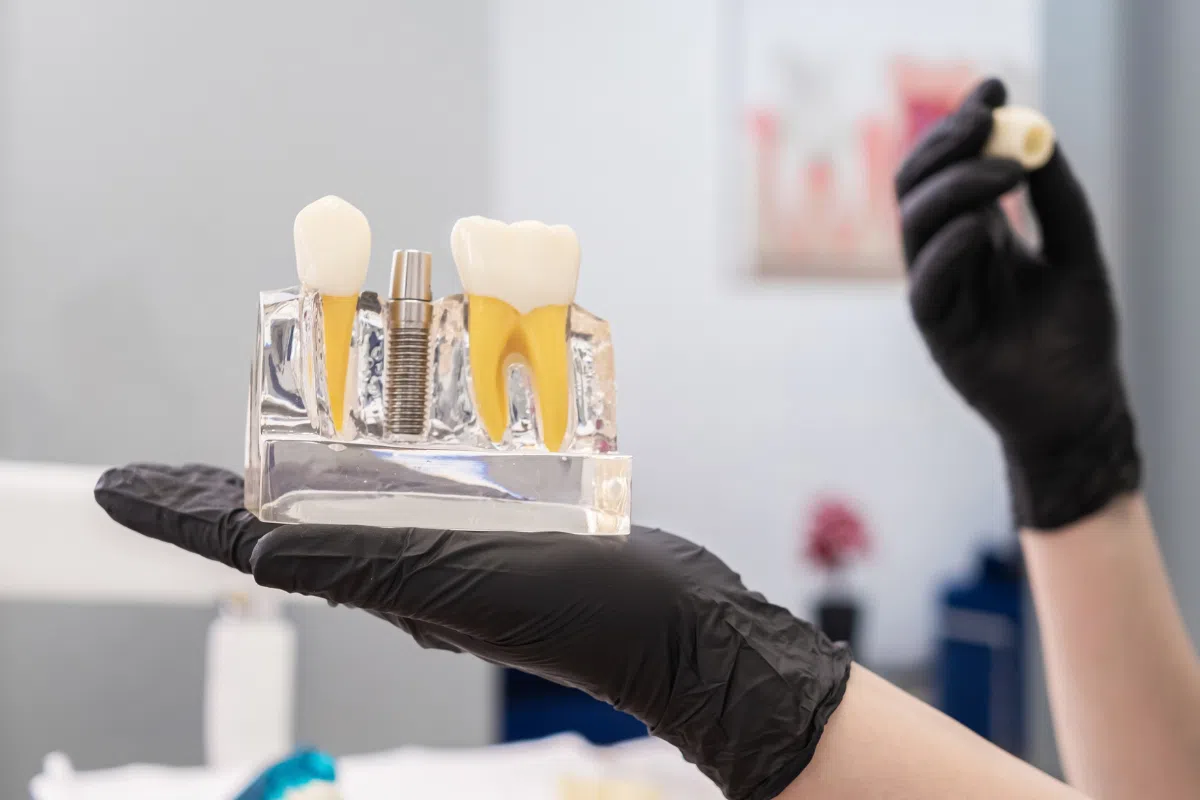
Once the site is ready, the dentist places the implant into the jawbone. The implant is typically made of titanium or another biocompatible material and acts as an artificial tooth root. After placement, the bone gradually bonds with the implant through a process called osseointegration. This connection helps provide the stability needed to support the replacement tooth.
Healing after implant placement often takes several months, although the exact period varies. Factors such as bone quality, overall health, and whether additional procedures were performed can affect recovery. Depending on your case, a temporary tooth may be provided while the implant heals. Your dentist will explain how to protect the implant during this stage and when it can safely support the final restoration.
Step 5: Attaching the Final Restoration
Once the implant has integrated sufficiently with the jawbone, the next step is attaching the restoration. For a single missing tooth, this is usually a custom-made dental crown connected to the implant with an abutment. The crown is designed to complement your natural teeth in shape, color, and size. Your dentist will check the fit, bite, and appearance before completing the restoration. If several teeth are missing, implants may support a bridge or another type of prosthetic restoration, depending on the treatment plan.
Proper bite alignment matters because excessive pressure can affect the implant and surrounding components. Your dentist will make any necessary adjustments to support comfortable chewing and everyday function.
What Can Affect Your Dental Implant Timeline?
The complete process may take several months, and some cases require longer. Important factors include:
- Bone health: Insufficient bone may require grafting before or during implant placement.
- Gum health: Active gum disease should be addressed to support a healthy implant site.
- Healing response: Individual recovery rates influence when the next stage can begin.
- Treatment complexity: Multiple implants or additional procedures may extend the timeline.
- Daily habits: Smoking and inconsistent oral hygiene can increase the risk of complications.
Planning ahead with your dentist helps you understand the expected schedule and prepare for each appointment.
How to Care for Your Dental Implants Long Term
The final restoration is not the end of the process. Daily care and routine dental visits help protect the implant and the surrounding gum tissue. Brush twice daily with a soft-bristled toothbrush, clean between your teeth using suitable floss or interdental tools, and attend regular dental checkups. Your dentist may recommend specific cleaning techniques based on your restoration.
Although implants cannot develop cavities, the surrounding tissues can become inflamed or infected. A condition called peri-implantitis can damage the supporting bone if left untreated. Persistent bleeding, swelling, tenderness, or changes in how the restoration feels should be evaluated by your dentist.
Conclusion
The journey from tooth removal to a completed implant restoration involves careful planning, healing, implant placement, and a custom replacement tooth. While the timeline differs from patient to patient, each stage contributes to the stability, comfort, and long-term function of the result. Understanding these steps can help you set realistic expectations and take an active role in protecting your oral health.
If you have a damaged tooth that may need extraction or are exploring ways to replace a missing tooth, a consultation is a helpful first step. Contact La Jolla Family Smile Design to discuss your options, learn whether implants are appropriate for your needs, and develop a personalized treatment plan that supports your long-term dental health.