
Visit Our Location



Dental Home Care La Jolla, Del Mar, & Pacific Beach
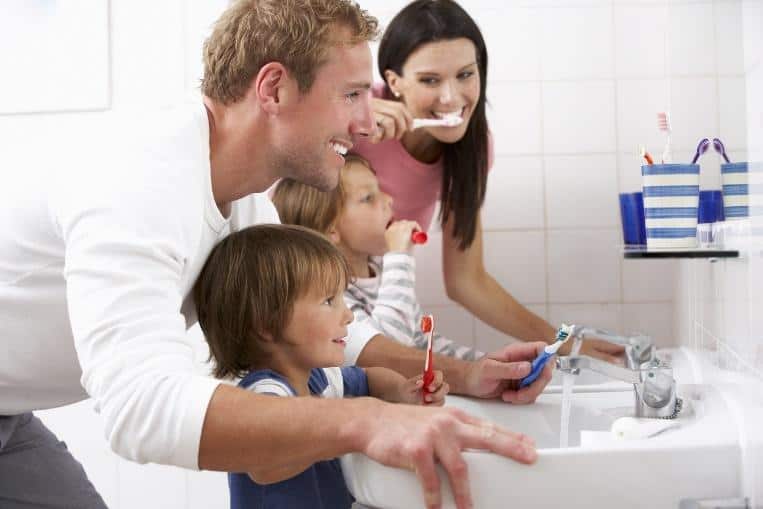
Maintaining healthy teeth and gums requires much more than dental cleanings twice a year. Seeing our dentists at La Jolla Family Smile Design regularly is important, but a good dental home care routine is just as essential. The at-home habits you follow and how consistently you stick to these habits will affect how clean and healthy your mouth is. Good at-home care reduces your risk of cavities and gum disease and helps you avoid the uncomfortable symptoms of oral health problems. Regular at-home care also prevents bad breath.
Recommendations for At-Home Oral Hygiene
Brushing
Brushing your teeth removes food particles and plaque from the teeth. If plaque is not removed, it feeds off of foods containing sugar and produces an acid that breaks down tooth enamel, causing cavities. Plaque that is not removed with brushing also hardens into tartar, which cannot be removed with a toothbrush. Tartar can lead to other issues, such as inflammation that causes periodontal (gum) disease.
Commit to brushing twice a day for at least two minutes at a time. If you have trouble handling a regular toothbrush, you may find an electric or battery-operated toothbrush easier to use. Replace your toothbrush or electric brush head approximately every three months or sooner if the bristles become warped.
Flossing
A toothbrush can’t reach bacteria and food particles in tight spaces between the teeth or under the gumline, but flossing can. Floss at least once a day. If arthritis or dexterity problems make it challenging to use dental floss, you can try an interdental cleaner, such as a dental pick or a water flosser.
Lifestyle recommendations
Other important habits to promote good oral health include the following:

- Eat a healthy diet and plenty of foods that are rich in calcium, such as cheese, yogurt and green leafy
vegetables. Limit consumption of sugary foods and beverages. - Rinse your mouth with water after each meal to remove food particles.
- Rinse with a fluoride mouthwash after brushing and flossing. Fluoride is a mineral that helps strengthen tooth
enamel. - Do not smoke.
- Do not use your teeth to open bottles or packages or chew on pen caps.
- If you know you grind or clench your teeth at night, get fitted for a custom night guard to protect your teeth
from the repetitive force. - If you play a contact or collision sport, wear a protective mouth guard.
Customized dental hygiene routine
If you have a history of dental disease or are considered high risk for dental problems, you could benefit from a more customized routine. Our team will help you formulate a strategy to minimize your risk of problems and maintain a healthy smile.
Dental Home Care FAQs
Dental cleanings offer many benefits, including:
Thorough plaque removal: Dental cleanings help eliminate plaque and tartar buildup, which cannot be effectively removed through regular brushing and flossing.
Cavity and gum disease prevention: By removing plaque and tartar, dental cleanings help prevent cavities and gum disease, thus contributing to long-term oral health.
Early detection: Regular cleanings also provide an opportunity for our dentists to detect early signs of dental problems, like periodontitis or tooth decay, which can then be promptly addressed.