
Visit Our Location


Dental Implant Recovery: What You Can Expect
Posted On July 27, 2022
If you are missing a tooth, you may be weighing options for replacements such as a dental implant, dental bridge or partial dentures. Dental implants are the most high-quality and durable option, but the procedure is a bit more involved than the alternatives. To help you understand the process, our implant specialist at La Jolla Family Smile Design, describes what you can expect from dental implant recovery.
Recovery Timeline
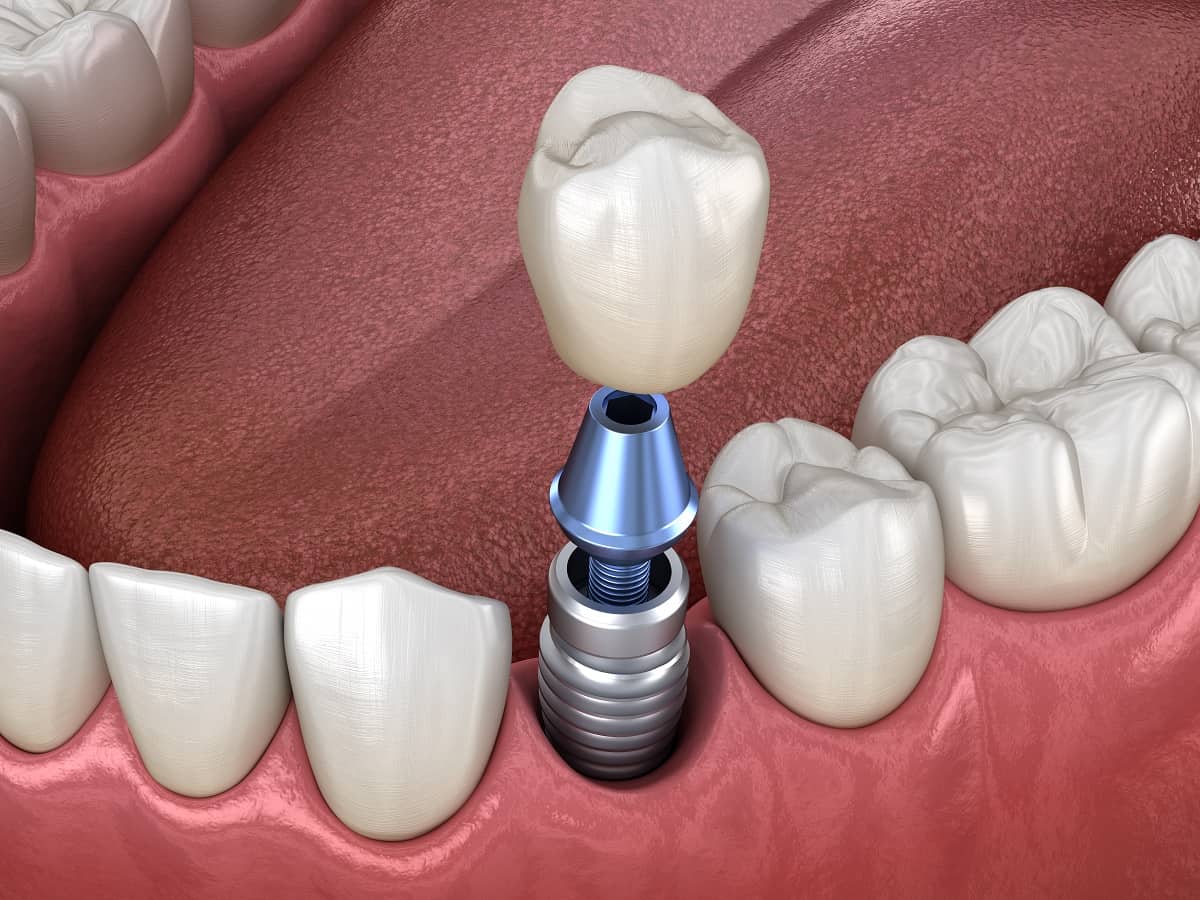
Typically, a patient receives a dental implant over the course of multiple appointments. The first appointment is when the surgery occurs. Our dentist attaches a titanium post into your jawbone that can (later) support a prosthetic tooth.
After this appointment is complete, you should still benefit from the sedatives, but be prepared with prescription painkillers to keep you comfortable once the numbing agents wear off. Ice packs can help to numb the area as well. Continue wearing gauze in your mouth to soak up bleeding. You may want to take an additional day off from work while your gums are at their most swollen and uncomfortable.
For the first week, you should only consume soft foods that do not require chewing. When you brush your teeth, skip over the implant site — La Jolla Family Smile Design will prescribe an oral rinse to use to help keep that area clean. Postpone moderate to strenuous exercise during this period as that can impact your mouth’s healing.
Usually, it takes a couple weeks for your mouth to feel back to normal. However, that does not mean you are ready to finish the implant process. It takes several months for the implant to fully bond with the jawbone, at which point it is finally ready to receive the abutment piece. Since attaching the abutment does require an incision in the gums, some bleeding and soreness are expected then too, though not as intense as it was when the implant was inserted into your bone.
Bone Grafting
Some patients require bone grafting prior to receiving a dental implant. This is necessary when the jawbone has atrophied to the point where it is not strong enough to support an implant. (Note: The best way to avoid this is to get a dental implant as soon as possible, as the jawbone becomes increasingly weaker.) Bone grafting involves using donor bone to reattach to the natural bone.
Discomfort is a normal part of recovering from this surgery and full healing can take a few months to almost a year. Accordingly, you may want to consider this additional time and discomfort when deciding between dental options.