
Visit Our Location


What to Do If Your Dental Implants Feel Loose or Hurt?
Posted On May 19, 2025
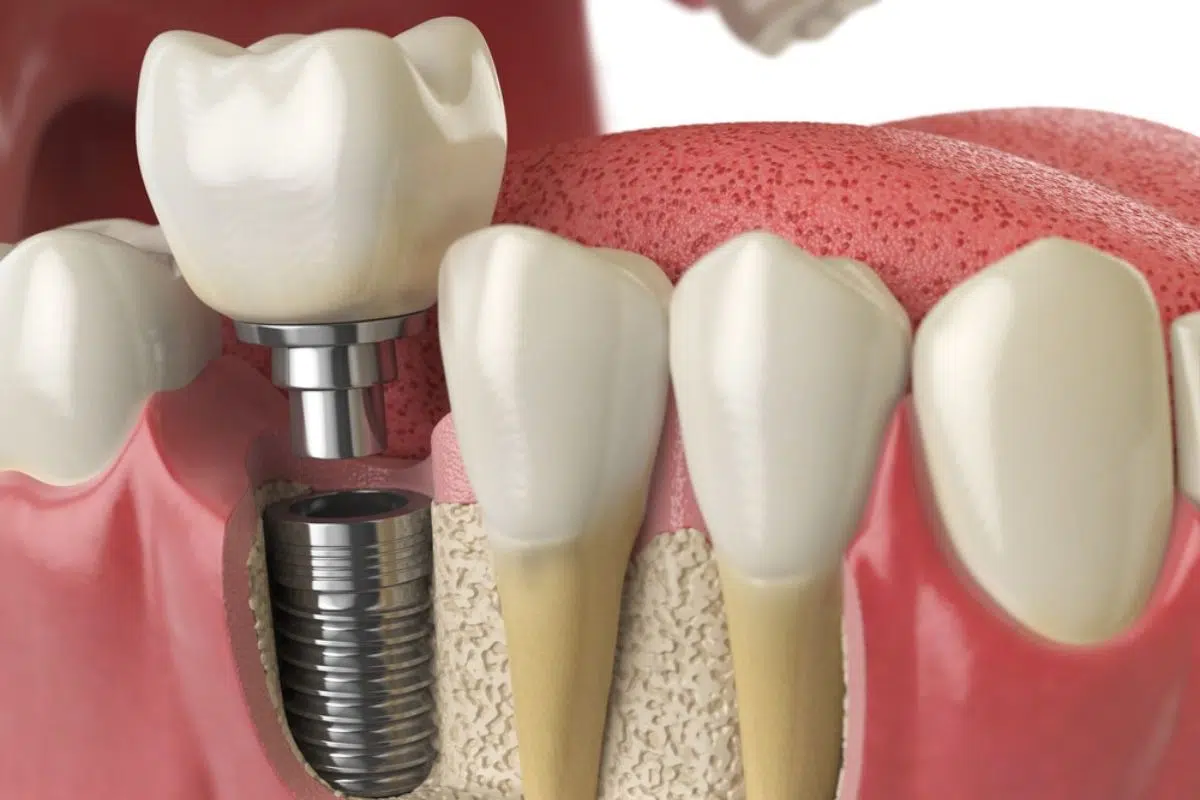
Dental implants are meant to feel and work like real teeth. When they’re done right, they stay in place and let you chew, speak, and smile without problems. But sometimes, people notice their implant feels a little loose or starts to hurt.
If that happens, it’s a sign that something isn’t right. This guide will help you understand what might be going on and what you should do about it.
Common Reasons Dental Implants Might Feel Loose
When a dental implant doesn’t feel steady in your mouth, there are a few possible causes:
1. The Top Part May Be Loose
Sometimes it’s not the whole implant, but the part that looks like a tooth (called a crown) that becomes loose. This can happen if the piece connecting the implant and crown needs to be tightened.
2. There May Be Bone Loss
Implants are placed in the jawbone. If the bone gets weaker over time, the implant may not be as stable. This might happen if there’s a problem with the gums or if the bone wasn’t strong enough to begin with.
3. An Infection Could Be the Cause
A gum infection around the implant can cause swelling, pain, or even make it feel loose. Infections need to be treated quickly so they don’t spread or cause further damage.
4. The Implant Didn’t Heal Properly
Some people’s implants don’t fully join with their bone. If the bone and implant never fully connect, it might feel like it’s moving or not secure.
5. Too Much Pressure on the Implant
Grinding teeth at night or putting too much pressure on the implant can make it loose over time. This is more common in people who clench their jaw while sleeping.
What to Do When Dental Implants Hurt or Move
If your dental implants feels loose or painful, here’s what you should do:
1. Don’t Try to Fix It Yourself
Even if it seems like a small problem, don’t try to tighten or move anything at home. That could make it worse.
2. Call Your Dentist Right Away
The sooner you see a dentist, the better the outcome. A quick check can show if the problem is small or needs more attention.
3. Be Careful While Chewing
Try not to chew on the side of your mouth where the implant is until you’ve seen your dentist. This will help prevent more damage.
4. Keep the Area Clean
Use a soft toothbrush and rinse your mouth gently. Even if it’s sore, keeping the area clean can help avoid infection.
5. Pay Attention to Other Signs
If you have swelling, bleeding, a bad taste in your mouth, or a fever, let your dentist know. These could be signs of a more serious issue.
How Dental Implants Are Fixed If There’s a Problem
Treatment depends on what’s causing the problem:
- Loose crown: It might just need to be tightened or replaced.
- Infection: You may need a deep cleaning and antibiotics.
- Bone loss: Your dentist might suggest a bone graft or other support treatment.
- Implant failure: In rare cases, the implant may need to be removed and replaced.
Most problems can be fixed if caught early, so don’t wait too long to take action.
How to Keep Your Dental Implants Healthy
To avoid future problems, follow these simple steps:
- Brush and floss every day.
- See your dentist for regular checkups and cleanings.
- Don’t smoke, as it can slow healing and cause infections.
- Wear a night guard if you grind your teeth.
- Follow any care tips your dentist gives you.
Conclusion
Dental implants are a great way to replace missing teeth, but if one starts to feel loose or painful, it’s important to act fast. Whether it’s a small fix or something more serious, your dentist can figure out what’s going on and help get things back on track.
If you’re in La Jolla and have concerns about dental implants, make sure to contact a trusted dentist who can give you the right care based on your needs.